August budgets are tight for most homeowners. Vacation spending, back-to-school costs, and summer utility bills leave little room for big projects. Full renovations that fix the dated glass elements people notice most cost $15,000 to $75,000. They also disrupt daily life for weeks. Builder-grade shower doors, glass cabinet fronts, institutional office doors, and dated entry sidelights are the exception. Decorative window film transforms glass like this in a single day, for a fraction of renovation costs.
Kitchen: From Cluttered Display to Designed Space
Glass-front cabinets reveal every mismatched mug and stacked container. The transparency that looked like a feature during staging now exposes daily life. Organizing the pantry does not fix this. The problem is visibility, not clutter. Frosted or patterned film hides cabinet contents completely while still letting light through. Cabinets start to look like lit display cases instead of open storage.
Patterns range from subtle frost to geometric designs, so the film can match existing cabinet style. A soft linen texture works well in farmhouse kitchens, while a clean matte frost suits modern cabinetry. Cleaning stays simple too, since the film wipes down with the same glass cleaner already under the sink. Kitchen cabinet glass typically runs $150 to $350 with film, versus $5,000 to $15,000 for cabinet replacement.
Bathroom: From Builder Grade to Spa Quality
Clear shower enclosures are one of the most common complaints in American homes. They are standard in new construction but feel cheap. They expose the shower constantly and show water spots more visibly than any other surface. Decorative film converts that same clear glass into a private, spa-quality enclosure. Light still passes through, so the shower stays bright. From outside, the glass reads as a finished architectural choice.
Options range from rain glass to bamboo patterns to classic frost. Soap scum and hard water spots also show up less on textured film than on bare glass, which cuts down on daily wipe-downs. Most professional-grade film carries a water-resistant coating built for constant shower exposure. Shower glass typically runs $200 to $500 with film, versus $1,500 to $3,000 for a new shower door.
Home Office: From Corporate Corridor to Private Workspace
Glass office doors in home offices and basement conversions often look institutional. Everything visible through the glass works against the professional look remote workers need for client calls. Frosted or etched film removes that visual exposure. Natural light still comes through, but the room’s contents stay private. From the hallway, the door looks like a deliberate design feature. From inside, the office feels purposeful rather than exposed.
A linear etched pattern reads as modern and architectural, while a soft gradient frost feels warmer for a home study. Once installed, the film resists yellowing and holds its finish for years without touch-ups. Office door glass typically runs $250 to $500 per door with film, versus $800 to $2,500 for a solid door replacement.
Entry Sidelights: From Security Risk to Design Statement
Sidelight windows next to front doors were once purely decorative. Now they are a liability. They give a clear view into entryways from the street. They also reveal when nobody answers the door, which invites package theft. Many original sidelights still carry dated privacy patterns that clash with a home’s current style.
Updated decorative film replaces that dated or clear glass with a contemporary pattern. Curb appeal goes up, and privacy concerns disappear. A reeded glass look pairs well with traditional entries, while a subtle geometric etch suits a more contemporary door. Because entry glass faces direct sun for years, a UV-stable film matters more here than in almost any other room. Sidelight film typically runs $200 to $450 per pair, versus $600 to $1,500 for full sidelight glass replacement.
The Whole-Home Comparison
Addressing all four spaces with decorative film typically costs $800 to $1,800, installed in a single day. Matching that transformation through renovation would run $8,000 to $22,000 and take three to six weeks. Late summer is a practical time to schedule this work. Installation wraps up before fall entertaining season starts. Guest spaces are ready before school schedules tighten. Home offices are upgraded before remote work picks up in the fall.
Ready to see your space differently? A one-day installation with a certified film specialist starts with a pattern consultation, so every room gets a look that fits your home. Contact us to schedule your consultation and get a quote for your specific glass.
Architectural Digest features etched glass showers in nearly every issue. HGTV renovation shows constantly showcase frosted office partitions and patterned cabinet doors. These details read as effortless luxury. Decorative window film makes that same look achievable without the matching price tag. Call a glass shop for a custom-etched panel quote, and the sticker shock hits fast. Specialty glass earns its reputation as a luxury material precisely because so few homeowners can afford enough of it.
The Industry’s Open Secret
Professional designers reach for film constantly, and not by accident. Television production teams operate on tight budgets and tighter deadlines. Custom glass cannot meet either constraint. Film replicates the patterns, textures, and light diffusion that make specialty glass desirable. Most homeowners cannot tell the difference between filmed glass and factory-etched glass without touching it. Production schedules simply cannot wait six weeks for a custom panel to ship.
Breaking Down the Real Numbers
The numbers explain why professionals favor film. Custom etched or frosted glass typically runs $20 to $60 per square foot installed. Premium designs can climb even higher. A 200-square-foot master bathroom project includes the shower enclosure, a window, and a glass door. Glass alone runs between $4,000 and $12,000 installed. That price includes manufacturing, fragile shipping, demolition, and disposal. Installation also requires a wait of two to four weeks. Skilled labor and breakage risk both push that number upward. Film avoids nearly all of that overhead by working with glass already in place. Decorative film applied to that same 200 square feet runs $8 to $15 per square foot. The installed total ranges from $1,600 to $3,000. Crews finish the job in 1 to 2 days, with no demolition required.
Why Frosted and Etched Glass Reads as Luxury
Etched and frosted glass reads as luxury for specific reasons. Light diffuses softly, privacy arrives without darkness, and the pattern signals real design intent. Professional-grade film delivers each of those qualities. Light scatters the same way through filmed glass as through manufactured frosted glass. Privacy levels match almost exactly.
There is one honest caveat worth naming. Step close enough to touch the surface, and texture differences sometimes show. From normal viewing distance, in a bathroom or office, almost nobody notices.
Pattern Options That Rival Custom Glass
Pattern libraries cover serious ground. European-etched styles bring Victorian and French provincial details. Asian-inspired geometrics evoke bamboo and shoji-screen minimalism. Art Deco patterns deliver 1920s glamour and Hollywood Regency lines. Contemporary abstracts bring organic shapes and flowing modern curves. These are the same designs that interior designers specify for high-end projects. Homeowners now have access to the same design library without the custom-manufacturing markup.
Where Decorative Window Film Works Best
The applications are everywhere in a typical home. Builder-grade shower glass becomes a private, spa-style retreat with the right frosted pattern. Cold office or den doors gain architectural character instantly once a geometric film goes on. Cluttered kitchen cabinet glass hides dish collections while still adding visual interest to the room. Entry door sidelights gain privacy without losing natural light or curb appeal. That solves a real security concern for many homes. Many homeowners mix two or three patterns across a single project for a cohesive look.
Built to Last, Flexible If You Change Your Mind
Quality decorative window film holds up well over time. Many manufacturers back interior film for ten to fifteen years or longer. Cleaning requires nothing special, just the same care as ordinary glass. The film stays removable if your tastes change or you sell the home. Specialty glass has no such flexibility once it is installed. Replacing it later means another full demolition and another full bill. Buyers who dislike the existing pattern inherit that sunk cost entirely. That makes film the lower-risk choice for anyone planning to sell within a decade.
Why the Price Gap Exists
The price gap comes down to production economics. Glass manufacturing, fragile shipping, and skilled installation all carry real costs and real breakage risk. Film ships rolled, never fragile, and installs with standard labor rates. Designers and production crews choose film for exactly this reason. If professionals trust it to deliver results on camera, it can do the same in your home. That track record matters more than any marketing claim.
Get Your Free Design Consultation
A free design consultation is the easiest next step. Bring photos of your space, and we will match patterns to your goals and your budget. We can also walk through pattern samples on a screen share before you commit to anything. You will leave with real pricing, not guesswork.
Spring cleaning always tells the truth. You notice the dated bathroom. The cluttered kitchen catches your eye. That builder-grade shower door suddenly looks very tired. A spring home refresh reveals every corner you ignored all winter. For homeowners planning to sell, these details matter enormously.
May and June bring the highest buyer activity and the most competitive prices. Homes listed in April gain maximum exposure heading into that peak window. For homeowners staying put, these eyesores will chip away at your summer enjoyment. Decorative window film fixes nearly all of it in a single day.
Why April Is the Right Time
Spring cleaning creates natural momentum. You are already focused on improvement, so upgrades happen more easily now. Finishing in April means enjoying the results all summer long. April also falls in the spring shoulder season for contractors. Scheduling is easier than in peak summer months. Pricing tends to be more competitive before the summer rush picks up. You get quality installation without the time pressure that comes later.
For sellers, the math is straightforward. Homes listed in April benefit from rising buyer demand throughout May and June. Bathrooms and kitchens are known to make or break showings. First impressions form quickly and stick. Small upgrades made now can translate into meaningful differences at closing.
Bathrooms: The Highest-Impact Upgrade
Clear builder-grade shower doors immediately date a bathroom. Frosted decorative film creates an instant spa-like aesthetic. Hundreds of elegant patterns exist, including rain glass, bamboo, and geometric designs. Bathroom windows can gain privacy and style at the same time. Few upgrades deliver this level of visual impact this quickly.
Buyers notice bathrooms closely. A modern, polished bathroom signals that the home has been well-maintained. It differentiates your listing from comparable properties in the neighborhood.
Kitchen Cabinets: Hiding Clutter Instantly
Glass-front cabinets expose mismatched dishes and everyday visual clutter. Decorative film hides cabinet contents while adding a design element. The result looks cohesive and intentional. In open-concept homes, reducing visual noise matters a great deal. Frosted and patterned options work with virtually any kitchen style.
For buyers, a clean and uncluttered kitchen signals a turnkey home. Nothing needs to change. That perception has real value in a competitive market.
Entryways: Curb Appeal From the Inside Out
Plain sidelights and entry door glass lack architectural interest. Decorative film adds character and a layer of security. Passersby cannot easily see inside, reducing visibility of packages and valuables. The entryway becomes memorable for the right reasons.
Buyers begin forming opinions before they step inside. A polished, elegant entry communicates attention to detail. That first impression carries through the entire showing.
The Seller Advantage in a Competitive Market
Professional stagers consistently recommend updated bathrooms and kitchens. Decorative film delivers that staged appearance at a fraction of the cost of typical staging. Online listing photos show beautifully. In-person showings confirm the quality. Similar homes in any neighborhood compete closely on small details. Updated aesthetics help justify a stronger asking price. A relatively modest investment can return multiples of its cost in the final sale price.
Installation is fast. Film for a typical bathroom takes roughly two to three hours. Kitchen cabinet film takes one to two hours. An entryway project takes about one hour. The entire spring home refresh can be completed in a single day with no disruption to your listing timeline.
Staying Put? You Benefit Too
Not every homeowner is selling right now. That does not change the value of a spring home refresh. You will enjoy the upgraded spaces every day this summer. Guests will notice during warm-weather entertaining. The spa bathroom experience you get daily is genuinely pleasant. A clean, uncluttered kitchen makes every morning better. A polished entryway sets a welcoming tone for everyone who visits.
Home value increases for a future sale as well. The improvement pays off regardless of your timeline.
Design Options and Practical Details
More than 100 pattern options exist across major decorative film product lines. Classic frosted film mimics etched glass. Geometric designs suit contemporary spaces. Nature-inspired patterns like bamboo and water glass work well in transitional interiors. Professional installers help with pattern selection and style matching. Decorative film typically lasts 10 to 15 years with proper care. It is also removable if your tastes change or you want to update it later.
Your April Action Plan
Weeks one and two: let spring cleaning reveal the spaces that need attention. Identify your bathrooms, kitchen cabinets, and entryway.
Week three: schedule a consultation, select patterns, and confirm measurements.
Week four: installation is complete. By May, you are either enjoying a beautifully refreshed home or listing with confidence into the peak selling season.
The window for maximum impact is open right now. A spring home refresh completed in April positions you perfectly for everything that follows. Contact us today to schedule your consultation before the summer rush begins.
The days of sacrificing aesthetics for privacy—or settling for expensive custom glass—are long gone. In 2026, decorative window films have evolved into a sophisticated design solution that delivers both functionality and visual appeal at a fraction of traditional costs. Whether you’re a business owner looking to elevate your commercial space or a homeowner seeking elegant privacy solutions, decorative window films offer unprecedented versatility, affordability, and style.
The Versatility Revolution: Beyond Basic Frosted Glass
Today’s decorative window films go far beyond simple frosted finishes. The market now features an impressive array of options designed to meet virtually any aesthetic or functional need:
Frosted and Etched Films provide classic privacy while maintaining natural light flow—perfect for spaces where discretion matters without creating a cave-like atmosphere.
Patterned Designs range from geometric moderne to organic botanicals, transforming plain glass into architectural focal points that complement any interior design scheme.
Gradient Films offer partial obscurity that increases from floor to ceiling, providing privacy at eye level while preserving views and light in upper portions—an elegant compromise for spaces with spectacular vistas.
Custom Graphics allow businesses to incorporate logos, branding elements, or artistic designs directly onto glass surfaces, turning functional barriers into powerful marketing tools.
Leading the industry, 3M Fasara Glass Finishes now offers over 100 design options, from subtle rice paper textures to bold contemporary patterns, ensuring there’s a perfect solution for every project aesthetic.
Commercial Applications: Where Function Meets Professional Polish
Conference Rooms: Privacy Without Isolation
Modern office design emphasizes transparency and openness, but confidential conversations still require discretion. Decorative films strike the perfect balance, allowing managers and teams to see activity in surrounding spaces while maintaining privacy for conversations. Advanced solutions like Casper Cloaking technology take this further by obscuring digital screens from outside view while keeping people visible—essential for protecting sensitive information during presentations and strategy sessions without creating closed-off environments that stifle collaboration.
Open offices increase collaboration but can overwhelm focus-intensive work. Strategic placement of decorative films on cubicle panels or glass dividers reduces visual distractions and movement in peripheral vision while maintaining the spatial openness that encourages teamwork. Employees can concentrate without feeling isolated—the best of both worlds.
Storefronts: Controlling Views While Creating Visual Interest
Retail spaces face unique challenges: attracting attention while managing what customers see inside. Decorative films create eye-catching window displays that generate curiosity without revealing everything at once. Gradient or patterned films add sophistication to street-level windows while controlling sight lines—particularly valuable for businesses with inventory-handling, processing, or back-office functions visible from public spaces.
Restaurant Booth Dividers: Upscale Aesthetics on a Practical Budget
The restaurant industry’s shift toward semi-private dining has made decorative films increasingly valuable. Films replicate the appearance of expensive textured or etched glass at 10-30% the cost of specialty glass replacement, allowing restaurants to create intimate booth sections and dining nooks without major renovations. Installation takes just hours rather than days, minimizing disruption to business operations.
Residential Applications: Home Elegance Simplified
Bathroom Windows and Shower Doors
Privacy remains the top concern for bathroom spaces, but homeowners no longer want to sacrifice natural light for modesty. Decorative films provide complete privacy while allowing sunlight to flood these spaces, eliminating the need for artificial lighting during daytime hours. Frosted or textured patterns add spa-like elegance without the expense of custom glass doors or complete window replacements.
Kitchen Cabinet Glass: Concealing Contents with Style
Glass-front cabinets look stunning but require constant organization. Decorative films offer a practical middle ground—concealing everyday clutter while maintaining the architectural interest of glass cabinetry. Choose subtle patterns that complement your kitchen design while reducing the pressure for Pinterest-perfect dish stacks.
Front Door Sidelights: Security Meets Curb Appeal
Sidelights brighten entryways but can compromise security by allowing views directly into your home. Decorative films provide privacy and security without blocking the natural light that makes entries feel welcoming. Elegant etched or patterned designs enhance curb appeal while giving you peace of mind.
Home Offices: Professional Video Call Backgrounds
Remote and hybrid work has made home offices permanent fixtures. Decorative films transform plain windows or glass doors into attractive video call backgrounds that look professional while diffusing distracting outdoor movements or views into other rooms.
The Practical Advantages: Why Decorative Films Make Sense
Beyond aesthetics, decorative films deliver tangible benefits that make them smart investments:
Cost-Effectiveness: At just 10-30% the cost of specialty glass replacement, films deliver designer looks on practical budgets.
Easy Installation: Simple applications take just 30 minutes, while complex custom projects complete in hours—not the days or weeks required for glass replacement.
Renter-Friendly Options: Static cling films require no adhesive, making them perfect for apartments and rental properties. Remove them when you move without damage or deposit deductions.
Durability: Quality films last 5+ years with minimal maintenance, delivering long-term value.
UV Protection: Most decorative films block 99% of harmful UV rays, protecting furnishings, flooring, and artwork from sun damage while reducing fading.
Light-Filtering Properties: Control glare and heat without blocking beneficial natural light—reducing energy costs while improving comfort.
Transform Your Space Today
Ready to discover how decorative window films can elevate your commercial or residential space? Schedule your free design consultation today and explore the possibilities with a professional who understands both aesthetics and functionality. In 2026, privacy and style aren’t competing priorities—they’re complementary design elements waiting to transform your windows into works of art.
There’s a special kind of irony that comes with winter. The days get shorter, natural light becomes precious, and suddenly you’re acutely aware of how dark your home feels by 4:30 PM. But here’s the catch: those same short, dark days mean you’re turning on lights earlier, which makes your home a fishbowl for anyone walking by outside.
You want privacy. You also desperately need every bit of natural light you can get. It feels like you have to choose one or the other, right?
Wrong. Welcome to the wonderful world of residential window film, where you can actually have your cake and eat it too—or in this case, have your privacy and your daylight.
The Winter Light Dilemma
Let’s paint a picture: it’s January. The sun sets around 5 PM. You’re working from home at your desk near the front window because that’s where the best natural light is during the day. But once evening hits, and you turn on your lamp, you suddenly realize everyone walking their dog can see directly into your home office—and you’re sitting there in your comfortable pants, wondering if you should close the curtains.
So you close the curtains. Problem solved, right? Except now it’s 9 AM the next morning and your home feels like a cave because you forgot to open them, and suddenly you’re drinking your coffee in the dark like some kind of vampire.
This is the winter privacy paradox, and it’s more common than you’d think. During summer, it stays light late enough that you’re not broadcasting your evening activities to the neighborhood. But winter? Winter turns every lit window into a stage, and you’re the unwilling performer.
Decorative Window Film: Your Privacy Solution
Here’s where residential window film becomes a game-changer. Decorative window film—including frosted, etched, and textured options—provides privacy without blocking natural light. You read that right: you can have both.
These films work by obscuring the view into your home while still allowing light to pass through. Think of it like the difference between a clear glass shower door and a frosted one. You can’t see through the frosted door, but light still comes through beautifully.
For bathrooms, this is an absolute no-brainer. That small window that lets in lovely morning light but also makes you paranoid during showers? Frosted window film solves that problem instantly. No more awkward curtains that get mildewy, no more worrying about angles and sightlines.
For street-facing windows in living rooms, dining rooms, or home offices, decorative window film means you can leave those curtains open all day and night without feeling like you’re on display. Natural light floods in during the day, and in the evening, you can have your lights on without putting on a show for passersby.
Holiday Lights: Enjoy the View, Not the Voyeurs
Here’s something that doesn’t get talked about enough: the holiday season means beautiful outdoor lighting displays, but it also means your neighbors can see straight into your home when all those exterior lights are shining.
You want to enjoy your neighbor’s elaborate light display and see your own outdoor decorations twinkling from inside. What you don’t want is for everyone on the street to see you in your pajamas at 8 PM arguing about whose turn it is to do the dishes.
Window film lets you enjoy the view out while maintaining privacy from people looking in. One-way mirror films (which work when it’s darker outside than inside) or frosted films give you the freedom to keep your curtains open and enjoy the seasonal ambiance without feeling exposed.
Plus, if you’re hosting holiday parties or family gatherings, decorative window film adds an elegant touch to your home while ensuring your celebration stays private. Your guests can relax without feeling like they’re in a display window, and you can focus on hosting rather than constantly adjusting curtains.
The Bathroom Situation
Let’s discuss the bathroom window issue that almost every homeowner encounters. You need ventilation and natural light in your bathroom—nobody wants to shower in a dark, stuffy cave. But you also need privacy, obviously.
Most people resort to one of these less-than-ideal solutions:
Keeping blinds permanently closed (goodbye, natural light and ventilation)
Using those accordion-style pleated shades that look dated
Hanging curtains that get damp and gross
Just accepting that the bathroom is dark and depressing
Frosted or textured window film transforms bathroom windows into sources of beautiful, diffused natural light while providing complete privacy. You can open the window for ventilation without worry. You can shower during the day and actually see what you’re doing without turning on overhead lights. It’s such a simple upgrade, but it dramatically improves your daily routine.
Style Options for Every Home
One of the best things about decorative window film is the sheer variety available. You’re not limited to basic frosted glass looks (though those are great too). Options include:
Etched glass patterns that look like expensive custom glasswork but cost a fraction of the price. Perfect for adding elegance to entryways or dining room windows.
Textured films that create visual interest while obscuring the view. These work beautifully in mid-century or contemporary homes.
Geometric or custom patterns that can complement your home’s architectural style. Want something that looks like vintage leaded glass? There’s a film for that.
Privacy gradients where the film is more opaque at eye level and clearer at the top, allowing views of the sky while blocking sightlines into your home.
The point is, privacy doesn’t have to mean boring. You can enhance your home’s aesthetic while solving practical problems.
Installation: Easier Than You Think
Quality residential window film is designed for professional installation, ensuring it looks seamless and lasts for years. Poor DIY installation often results in bubbles, peeling edges, or uneven application—basically turning your privacy solution into an eyesore.
Working with local window film professionals means getting an expert assessment of your specific needs. They can recommend the right opacity level, show you samples in your actual lighting conditions, and ensure proper installation that withstands temperature changes and humidity (especially important for bathroom applications).
Local installers also understand regional considerations—like how winter sun angles affect different windows in your home—and can provide personalized recommendations based on your lifestyle and privacy concerns.
Reclaim Your Winter Comfort
Winter is hard enough without feeling like you have to choose between natural light and privacy. Decorative window film is one of those upgrades that immediately improves your daily quality of life in ways you don’t fully appreciate until you have it.
Imagine drinking your morning coffee by a bright window without worrying about the neighbors. Picture working from home with beautiful natural light streaming in, no curtains necessary. Think about enjoying those twinkling holiday lights outside while maintaining your privacy inside.
You deserve to feel comfortable in your own home, even during the long, dark days of winter. Residential window film makes that possible without compromise.
Ready to brighten your winter while keeping your privacy intact? Connect with local window film professionals who can show you options tailored to your home’s specific needs. Your future self—the one enjoying natural light without feeling like you’re in a fishbowl—will thank you.
The Office Design Revolution: How $26 Billion Window Film Industry Is Solving the Remote Work Crisis
Companies across America are facing an unprecedented challenge: how do you convince employees who’ve tasted the freedom of remote work to return to sterile glass boxes? The answer isn’t higher salaries or better coffee—it’s a complete reimagining of workspace design using technology that transforms ordinary glass into branded, private, inspiring environments.
Welcome to the decorative window film revolution that’s saving the modern office.
The $26 Billion Solution to Corporate America’s Biggest Problem
The numbers tell a stark story. According to industry analysis, the global window film market is exploding from $14.5 billion in 2025 to a projected $26 billion by 2035—a staggering 6% compound annual growth rate driven largely by commercial demand for workspace transformation solutions.
But this isn’t just about market growth. It’s about corporate survival. Companies that invested in sterile glass office spaces during the pre-pandemic construction boom now find themselves with beautiful, expensive buildings that employees actively avoid. The solution isn’t tearing down walls—it’s transforming what already exists.
Recent surveys reveal that traditional office environments are failing spectacularly. The American Psychological Association found that high-paneled cubicles “appear to undermine worker productivity the most, while closed offices have a particularly isolating effect.”
Yet completely open floor plans leave employees feeling exposed and distracted. Decorative window film offers the perfect middle ground: maintaining openness while creating the privacy and personalization that modern workers crave.
The Privacy Paradox: Why Glass Offices Are Driving Employees Away
The pandemic fundamentally changed what employees expect from their workspace. After years of working from private home offices, the prospect of returning to fishbowl conference rooms and transparent work areas feels like a massive downgrade in quality of life.
Consider the psychological impact of constant visibility. Employees report feeling “always on display” in glass-heavy office environments, leading to increased stress, reduced creativity, and a constant sense of being monitored. This visibility anxiety has become a major factor in employee reluctance to return to traditional office settings.
The privacy crisis extends beyond comfort into practical functionality. Confidential client calls, sensitive HR discussions, and creative brainstorming sessions all suffer when conducted in transparent environments. Many companies find their expensive glass conference rooms sitting empty because employees actively avoid spaces that offer no privacy.
The irony is stark: companies invested millions in glass architecture to create “open, collaborative” environments, only to discover that this openness actually inhibits the collaboration they sought to encourage. The solution isn’t architectural—it’s technological.
Beyond Privacy: The Brand Identity Crisis in Generic Offices
Modern businesses face another challenge that decorative window film uniquely addresses: creating distinctive brand experiences in generic commercial spaces. As companies compete for top talent, workplace brand identity has become a crucial differentiator.
Traditional office branding was limited to lobby signage and painted accent walls. But decorative window film transforms every glass surface into a branding opportunity. Corporate logos, brand colors, and company values can be subtly integrated throughout the workspace, creating immersive brand experiences that reinforce company culture and values.
Custom patterns, geometric designs, and industry-specific graphics can reflect company personality in ways that traditional décor cannot achieve. Tech companies can incorporate circuit-board patterns, financial firms can use sophisticated geometric designs, and healthcare organizations can integrate calming natural motifs—all while maintaining the privacy and functionality that modern workers demand.
This level of customization was previously available only through expensive etched glass installations that cost 10-20 times more than decorative film solutions. The democratization of custom glass design through film technology makes sophisticated branding accessible to companies of all sizes.
The Science of Productivity: How Visual Environment Affects Performance
Research in environmental psychology reveals that visual environment dramatically impacts cognitive performance, creativity, and employee well-being. Decorative window film leverages these findings to create workspaces that actively support productivity rather than hindering it.
Controlled visual stimulation through patterned or textured films can reduce the mental fatigue associated with bland, sterile environments. Natural patterns—tree branches, flowing water designs, organic textures—activate the same psychological responses that improve focus and reduce stress in natural environments.
The biophilic design movement recognizes humans’ innate connection to nature, and decorative films can bring these elements into urban office spaces without the maintenance challenges of living plants or water features. Employees report feeling more relaxed and focused in environments that incorporate these natural design elements.
Color psychology plays a crucial role in workspace design. Different hues and patterns can stimulate creativity, encourage collaboration, or promote focused concentration depending on their application. Decorative films allow companies to create zones optimized for different types of work—energizing colors in collaboration areas, calming tones in focused work zones.
Technology Integration: Smart Films for Smart Offices
The cutting edge of decorative window film technology includes switchable privacy films that can instantly transform from transparent to opaque with electrical control. These “smart films” address the dynamic nature of modern workspaces, where the same space might need to serve multiple functions throughout the day.
Imagine conference rooms that automatically switch to privacy mode when meetings begin, or collaborative spaces that can instantly become private for sensitive discussions. This technology eliminates the need for traditional blinds or curtains while providing unprecedented control over privacy and ambiance.
Integration with building automation systems allows smart films to respond to calendar scheduling, occupancy sensors, or manual controls via smartphone apps. This level of integration represents the future of responsive workplace design, where the environment automatically adapts to support the work being performed.
Some advanced films even offer “Window Cloaking” technology that can black out LED screens from external view while maintaining normal transparency for other purposes—crucial for protecting sensitive information in today’s security-conscious business environment.
Economic Impact: The ROI of Workplace Transformation
The financial benefits of decorative window film installation extend far beyond the initial investment. Companies report significant returns through multiple channels: improved employee retention, enhanced recruitment capabilities, reduced real estate needs, and increased productivity.
Employee retention represents the most substantial financial impact. The cost of replacing a skilled employee ranges from 50% to 200% of their annual salary when factoring in recruitment, training, and lost productivity. Workplace improvements that increase retention by even modest percentages generate enormous savings.
Recruitment advantages in competitive job markets can be substantial. Companies with distinctive, comfortable work environments consistently attract better candidates and can often hire at lower salary levels than competitors with generic office spaces. The workplace itself becomes a recruiting tool.
Real estate efficiency improvements allow companies to maximize utilization of existing space rather than expanding footprints. When employees actually want to use conference rooms and collaborative spaces, organizations can support larger teams in smaller areas—directly impacting rental and operational costs.
Energy efficiency represents an often-overlooked benefit. Many decorative films provide UV protection and solar heat reduction, lowering cooling costs while protecting furniture and equipment from sun damage. These energy savings accumulate over time, improving the long-term ROI of film installations.
Installation Innovation: Minimal Disruption, Maximum Impact
Modern decorative window film installation has evolved to address corporate concerns about business disruption. Professional installation typically requires minimal space downtime, often completed outside normal business hours or in phases that maintain office functionality.
Unlike renovation projects that can disrupt operations for weeks, film installation usually completes within days. The process involves no drilling, no permanent structural changes, and no extensive cleanup. Employees can often continue working in adjacent areas without significant inconvenience.
The reversible nature of film installations provides future flexibility that permanent modifications cannot match. Companies can update designs for rebranding, seasonal campaigns, or changing functional needs without major renovation expenses. This adaptability proves particularly valuable for growing businesses or those in evolving industries.
Quality installations include warranties that protect the investment and ensure long-term satisfaction. Professional installers understand the specific requirements of commercial environments, including fire codes, safety regulations, and accessibility compliance that DIY installations might overlook.
Industry-Specific Solutions: Tailored Approaches for Different Sectors
Different industries face unique challenges that decorative window film can address through specialized applications and design approaches.
Healthcare facilities benefit enormously from films that create calming environments while meeting strict privacy requirements. HIPAA compliance becomes easier to maintain in treatment areas with appropriate visual barriers, while natural patterns and soft colors reduce patient anxiety and promote healing.
Financial institutions use sophisticated geometric patterns and brand integration to project stability and professionalism while protecting client confidentiality during sensitive consultations. The ability to quickly switch between transparent and private modes proves invaluable for customer-facing spaces.
Educational institutions leverage decorative films to create inspiring learning environments while addressing security concerns. School colors, mascots, and educational themes can be incorporated into glass surfaces throughout campuses, building school spirit while maintaining necessary sight lines for safety.
Technology companies often embrace bold, innovative patterns that reflect their cutting-edge culture while providing the privacy needed for sensitive development work. Circuit board patterns, data visualization motifs, and futuristic designs help attract top technical talent while supporting actual work requirements.
The Future of Workplace Design: Beyond Traditional Boundaries
The decorative window film revolution represents more than a temporary design trend—it signals a fundamental shift in how we think about workplace environments. As hybrid work models become permanent features of business operations, office spaces must evolve to provide experiences that employees cannot replicate at home.
The successful offices of the future will be those that embrace flexibility, personalization, and sensory engagement rather than trying to recreate the standardized environments of the past. Decorative window film technology provides the tools to create these adaptive, responsive spaces.
Integration with other smart building technologies will continue advancing, creating environments that respond intelligently to occupancy, weather, time of day, and specific work requirements. The glass surfaces that once seemed like barriers between indoor and outdoor environments will become dynamic interfaces that enhance the human experience.
Making the Transformation: Strategic Implementation
Companies ready to embrace this transformation should approach decorative window film implementation strategically. Begin with high-impact areas like main conference rooms, reception areas, and collaborative spaces where the benefits will be most visible to both employees and visitors.
Pilot programs allow organizations to test different film types and designs before committing to building-wide installations. Employee feedback during these pilots provides valuable insights for optimizing the final design approach.
Professional consultation ensures that film selections align with functional requirements, aesthetic goals, and budget constraints. Experienced installers can recommend solutions that balance privacy needs, brand expression, and practical considerations like maintenance and longevity.
The workspace revolution is happening whether companies participate or not. Forward-thinking organizations are leveraging decorative window film technology to create environments that attract talent, inspire creativity, and support the evolving nature of modern work.
Don’t let your office become a relic of pre-pandemic thinking. Transform your glass surfaces into strategic assets that support your business goals while creating the workplace experience that today’s employees demand. The technology exists, the benefits are proven, and the cost is surprisingly accessible.
Your windows are waiting to tell your story. Make it a story that brings employees back to the office because they want to be there, not because they have to be.
The traditional office environment is undergoing a dramatic transformation. Gone are the days when sterile glass partitions and basic privacy solutions defined commercial spaces.
Today’s businesses demand environments that inspire creativity, enhance productivity, and reflect their brand identity while maintaining the functionality that modern workplaces require. Decorative window film has emerged as the perfect solution, offering an innovative way to completely reimagine any commercial space without the expense and disruption of major renovations.
Whether you’re managing a corporate headquarters, boutique retail store, medical facility, or startup office, decorative window film provides unlimited possibilities to create spaces that truly reflect your vision. This versatile technology combines practical benefits with stunning aesthetic appeal, delivering transformation that goes far beyond simple window covering.
The Privacy Revolution: Smart Solutions for Modern Workplaces
Privacy concerns in today’s open office environments have reached critical levels. Employees struggle to focus during video calls, sensitive meetings lack confidentiality, and the constant visual distractions of glass-walled spaces reduce productivity. Decorative window film solves these challenges while maintaining the open, collaborative feel that modern businesses value.
Frosted and etched glass effects create instant privacy without blocking natural light. Unlike traditional blinds or curtains that create dark, closed-off spaces, decorative film allows light to filter through while obscuring clear sight lines. Conference rooms become truly private for sensitive discussions, while individual offices maintain connection to the broader workspace.
Gradient films offer customizable privacy levels, providing full opacity at eye level while maintaining transparency above and below. This solution is perfect for spaces where you need privacy for activities while preserving the sense of openness that keeps spaces feeling connected and collaborative.
One-way mirror films provide selective privacy that changes based on lighting conditions. During daylight hours, these films prevent outside viewing while maintaining clear interior visibility. This technology is particularly valuable for ground-floor offices, retail spaces, and any commercial environment where controlled visibility enhances security and comfort.
Design Flexibility That Adapts to Any Vision
The creative possibilities with decorative window film are virtually limitless. Custom patterns, corporate logos, and brand elements can be incorporated directly into the film design, creating cohesive brand experiences throughout your space. This level of customization was previously available only through expensive etched glass or specialized manufacturing processes.
Geometric patterns add modern sophistication to any environment. Clean lines, contemporary shapes, and architectural elements created through film application can transform basic glass surfaces into design focal points. These patterns work particularly well in tech companies, architectural firms, and creative agencies where cutting-edge design reflects company values.
Organic and natural patterns bring warmth and humanity to sterile commercial environments. Tree branches, flowing water designs, and abstract natural forms create calming atmospheres that reduce stress and improve employee well-being. Healthcare facilities, financial institutions, and professional services firms particularly benefit from these soothing design elements.
Textured films replicate expensive materials like rice paper, linen, or brushed metal at a fraction of the cost. These sophisticated textures add tactile interest and premium appearance without the maintenance requirements or expense of actual materials. The result is high-end aesthetics accessible to businesses of any size.
Versatility Across Commercial Applications
Retail environments use decorative window film to create dynamic brand experiences while maintaining security and privacy. Storefront applications can display promotional messages, seasonal themes, or permanent brand elements that attract customers while protecting interior merchandise from UV damage and theft concerns.
Healthcare facilities benefit enormously from decorative film applications. Patient privacy requirements are easily met while creating calming, professional environments that reduce anxiety. Waiting areas become more comfortable, and treatment rooms gain privacy without sacrificing the natural light that promotes healing and well-being.
Educational institutions use decorative films to create inspiring learning environments while addressing safety and privacy concerns. Classroom doors can display school colors, mascots, or educational themes while providing necessary visibility for security purposes. Administrative offices gain privacy for sensitive student discussions while maintaining the open, approachable atmosphere that modern education values.
Restaurant and hospitality businesses leverage decorative film to create ambiance and define spaces within larger areas. Private dining sections can be created instantly, and brand elements can be integrated throughout the space to reinforce identity and create memorable experiences for customers.
Installation Advantages and Long-Term Value
Professional installation of decorative window film is remarkably fast and non-disruptive compared to other renovation options. Most commercial applications can be completed during off-hours or weekends, allowing businesses to continue normal operations without interruption. This efficiency makes decorative film ideal for businesses that cannot afford lengthy renovation downtime.
The cost-effectiveness of decorative film compared to other design solutions is substantial. Achieving similar aesthetic results through etched glass, architectural modifications, or custom manufacturing would cost many times more than professional film application. This affordability makes high-end design accessible to small businesses and startups that need to create impressive spaces on limited budgets.
Maintenance requirements are minimal, making decorative film ideal for busy commercial environments. Unlike fabric treatments or painted surfaces that require regular cleaning and eventual replacement, quality decorative films maintain their appearance for years with simple cleaning procedures. This low-maintenance characteristic reduces long-term operational costs while ensuring consistent appearance.
Energy efficiency benefits often accompany decorative film installation. Many films provide insulation properties that reduce heating and cooling costs while achieving design objectives. This dual functionality delivers ongoing operational savings that help justify the initial investment.
Customization and Brand Integration
Modern decorative films can incorporate virtually any design element, from subtle brand colors to complex corporate logos and messaging. This capability allows businesses to create truly unique environments that reinforce brand identity throughout their space. Visitors and employees alike benefit from cohesive design that communicates company values and professionalism.
Digital printing technology enables photographic quality reproductions of artwork, landscapes, or abstract designs. This opens possibilities for creating inspiring environments that motivate employees and impress clients. The psychological impact of well-designed spaces on productivity and satisfaction is well-documented, making decorative film an investment in human performance as well as aesthetics.
Seasonal and promotional applications allow businesses to update their appearance regularly without permanent modifications. Retail locations can refresh their look for different seasons or marketing campaigns, while corporate environments can celebrate company milestones or achievements through temporary decorative elements.
Future-Proofing Your Investment
As business needs evolve, decorative window film provides flexibility that permanent modifications cannot match. Films can be removed or updated without damaging underlying glass surfaces, allowing spaces to adapt to changing requirements, new brand identities, or different tenant needs.
The technology continues advancing, with new materials and application techniques regularly expanding creative possibilities. Smart films that can change opacity electronically, color-changing materials, and enhanced durability options represent the cutting edge of decorative film technology.
Quality installations backed by professional warranties provide long-term value protection. Reputable installers stand behind their work with guarantees that ensure your design investment maintains its appearance and functionality for years to come.
Transforming Commercial Spaces Today
Decorative window film represents the perfect intersection of functionality, aesthetics, and value for modern commercial spaces. Whether your goal is enhanced privacy, distinctive design, brand reinforcement, or simply creating more inspiring work environments, decorative film delivers results that exceed expectations while respecting budget constraints.
The transformation possible through professional decorative window film installation is remarkable, offering businesses of any size the opportunity to create distinctive, functional, and beautiful spaces that support their success. From subtle enhancements to dramatic reimagining, decorative window film makes commercial space transformation both achievable and affordable.
The transformative power of decorative window film has revolutionized interior design across both commercial and residential spaces. No longer just a practical solution for privacy concerns, today’s decorative window films offer a stunning array of patterns, textures, and effects that can dramatically alter the atmosphere of any room. Interior designers have embraced these versatile films as essential tools in their creative arsenal, while homeowners are discovering how these affordable alternatives to custom glass can refresh and revitalize living spaces.
Decorative window film’s remarkable ability to solve multiple design challenges makes it so appealing. These thin yet durable applications can transform ordinary glass surfaces into works of art while providing practical benefits like privacy, UV protection, and light control. The transformative power of decorative window film lies in its dual nature—it’s both a functional improvement and an aesthetic enhancement.
Elevating Commercial Spaces with Style and Privacy
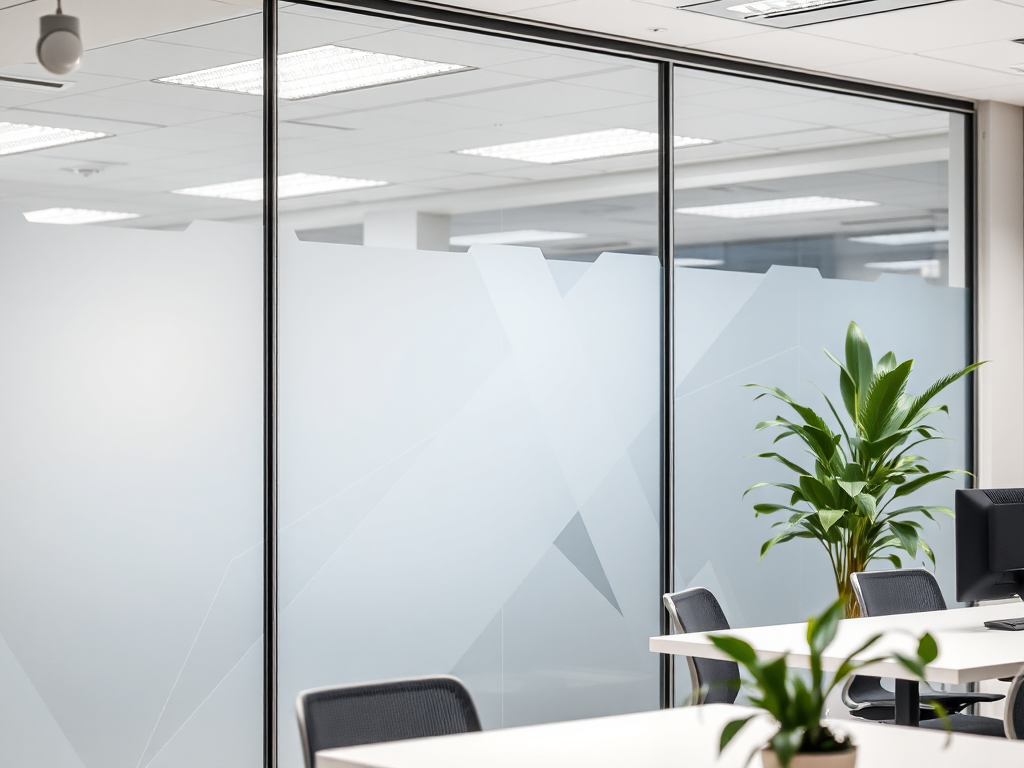
In modern office environments, glass partitions and walls have become standard features, creating bright, open workspaces that foster collaboration. However, this transparency comes with its own set of challenges – notably privacy concerns and the need for visual definition between spaces. This is where decorative window films truly shine, offering the perfect balance between openness and discretion.
High-end hotels and restaurants have embraced decorative window film to create distinctive atmospheres that align with their brand identity. From frosted patterns that diffuse light beautifully to films that mimic the look of etched or stained glass, these applications allow designers to customize spaces without the considerable expense of custom glass installations. The transformative power of decorative window film is particularly evident in these commercial settings, where a simple application can dramatically alter how customers perceive and experience a space.
Healthcare facilities have discovered that decorative window films can contribute to healing environments while addressing practical concerns. Films featuring nature-inspired patterns or calming abstract designs create visual interest in waiting areas and patient rooms while offering privacy and reducing glare – all important factors in healthcare design. The dual functionality makes decorative window film an intelligent choice for spaces that must balance aesthetics with strict practical requirements.
Reimagining Residential Spaces with Creative Applications
Homeowners are increasingly discovering what professional designers have long known. The transformative power of decorative window film extends well beyond simple privacy solutions. In residential settings, these versatile films offer creative possibilities for nearly every room of the house.
In bathrooms, decorative window films provide essential privacy without sacrificing natural light. Unlike curtains or blinds, these films allow sunlight to filter through while obscuring the view from outside, creating bright, airy spaces that still feel private and secure. Homeowners can choose from numerous decorative options, from subtle frosted effects to bold geometric patterns that serve as focal points in the room’s design.
Kitchens benefit enormously from decorative window film applications on cabinet glass, pantry doors, or windows facing close neighbors. These films can hide cabinet contents while adding visual interest, transform ordinary kitchen windows into decorative features, or provide privacy from nearby buildings without blocking precious natural light. The transformative power of decorative window film is particularly valuable in kitchens, where both functionality and aesthetics play crucial roles.
Living areas and bedrooms can be dramatically enhanced with films that mimic the look of stained glass or feature artistic designs. These applications allow homeowners to enjoy customized glass features without the substantial investment of custom glass installation. When applied to interior doors or room dividers, decorative window films help define separate spaces while maintaining an open, airy feel throughout the home.
Practical Benefits Beyond Aesthetics
While the visual impact of decorative window film is immediately apparent, its practical benefits make it even more appealing to designers and homeowners alike. These films typically block up to 99% of harmful UV rays, protecting furnishings and flooring from sun damage and fading. This UV-blocking capability alone makes decorative window film a smart investment for spaces with significant sun exposure.
Energy efficiency represents another significant advantage. Many decorative films help regulate indoor temperatures by reducing solar heat gain in summer and retaining heat during winter months. This translates to lower energy costs and more comfortable interior environments year-round – benefits that extend well beyond the films’ decorative aspects.
The transformative power of decorative window film is further enhanced by its remarkable durability and ease of maintenance. Quality films resist fading, peeling, and bubbling for years, requiring only simple cleaning with standard glass cleaners. This longevity makes them cost-effective alternatives to more permanent modifications like etched or textured glass.
A Sustainable Design Choice
In today’s environmentally conscious design landscape, the sustainability of decorative window film adds to its appeal. By improving existing glass rather than replacing it, these films reduce waste and resource consumption. Their energy-efficient properties further enhance their environmental benefits, making decorative window film an excellent choice for eco-conscious designers and homeowners.
The transformative power of decorative window film continues to expand as manufacturers develop new designs, textures, and technologies. From subtle frosted patterns to bold artistic statements, these versatile films offer limitless possibilities for customizing and enhancing interior spaces. Whether applied in commercial settings or residential homes, decorative window films represent the perfect marriage of beauty and functionality – a truly transformative design element.
If you have questions about these films, contact us at (801) 810-8468. We are located in Orem, Utah and cover the entire surrounding areas.
As temperatures rise and daylight hours stretch longer, homeowners across the country prepare their residences for the warmer months ahead. Among the most effective yet often overlooked home improvements is residential window tinting. A professional spring home tint installation offers numerous benefits beyond simple aesthetics, providing year-round advantages for comfort, protection, and energy efficiency.
UV Protection: Safeguarding Your Interior Investment
The harsh rays of the spring and summer sun can wreak havoc on your home’s interior. Without proper protection, your furniture, flooring, artwork, and fabrics face accelerated fading and deterioration. Professional window tinting blocks up to 99% of harmful UV rays, preserving your interior investments for the future.
Many homeowners with new hardwood floors or valuable furnishings are particularly concerned about sun damage. After a spring home tint installation, most notice a significant difference in how protected their interiors feel, without sacrificing the natural light that makes spring so enjoyable.
Energy Efficiency: Cooling Costs Under Control
As spring transitions into summer, keeping your home cool becomes an increasing concern—and expense. Window films can reject up to 78% of solar heat, reducing your reliance on air conditioning and lowering energy bills by up to 30% during peak cooling seasons.
Modern window films work year-round, helping retain interior heat during colder months while reflecting solar heat during warmer periods. This dual functionality makes spring home tint installation the perfect timing—preparing your home for the summer heat while still benefiting from improved insulation during occasional cool spring nights.
Glare Reduction: Comfort for Daily Living
Spring sunshine brings welcome brightness after winter months, but excessive glare can interfere with everyday activities, from watching television to working on computers. Quality window films reduce glare by up to 87% while maintaining visible light transmission, creating a more comfortable living environment without the cave-like effect of drawn curtains.
For remote workers and home-based professionals, the afternoon sun can make home offices unusable for several hours each day. A spring home tint project can transform these workspaces, allowing clear screen visibility without constantly adjusting blinds or relocating throughout the day as the sun moves.
Enhanced Security: Protection Beyond Weather
Beyond climate control, window films offer an additional layer of security for your home. Security films hold shattered glass together upon impact, deterring break-ins and protecting against accidents or storm damage. The bonding agents used in security films require professional installation to ensure proper adhesion and maximum effectiveness.
Many homeowners seek solutions that protect their property from both the elements and potential intruders. Security-grade window films provide this dual protection, offering peace of mind especially as spring storm season approaches in many regions.
Decorative Options: Style Meets Functionality
Window tinting isn’t limited to clear or dark films. Today’s market offers numerous decorative options that provide privacy while enhancing your home’s aesthetic appeal. From frosted designs for bathroom windows to textured patterns for entryways, decorative films can transform ordinary glass into custom architectural features.
Spring is the ideal time to consider these design upgrades as part of your seasonal home refresh. A professional spring home tint consultation can help you explore options that complement your home’s interior design while delivering the functional benefits you need.
Professional Installation: The Key to Lasting Results
While DIY window film kits are available, professional installation ensures optimal performance and longevity. Certified installers have the expertise to properly prepare surfaces, eliminate air bubbles, and achieve seamless application—particularly important for larger windows or decorative patterns.
Most importantly, professional installation typically includes warranties that protect your investment. As homeowners prepare their seasonal maintenance schedules, scheduling a window tint consultation should be a priority consideration.
Interior design professionals frequently note the obvious difference between amateur and professional installation quality. When homeowners inquire about seasonal upgrades, a professional spring home tint service is consistently recommended as one of the most cost-effective improvements with multiple benefits.
A Smart Seasonal Investment
As you plan your spring home improvements, window tinting deserves serious consideration for its versatility and value. From protecting your interior investments and reducing energy costs to enhancing security and comfort, few home upgrades deliver as many benefits for the investment.
Contact a certified window film professional today to schedule a consultation and discover how the right window tinting solution can transform your living space this season.
If you have questions about these films, contact us at (801) 810-8468. We are located in Orem, Utah and cover the entire surrounding areas.
Modern window film has undergone a remarkable evolution, transcending their humble beginnings as simple tinting solutions. In 2025, we’re witnessing a surge of cutting-edge technologies that address a multitude of concerns, from skyrocketing energy costs and privacy needs to aesthetic desires and security imperatives. This article serves as your guide to the latest advancements in window film, unveiling how these innovations can significantly enhance both residential and commercial spaces.
Energy Efficiency Revolution: Smart Savings, Smart Spaces
The future of energy efficiency lies in advanced materials, and modern window film is leading the charge. Nano-ceramic and multi-layer films are now capable of providing superior insulation, effectively acting as a thermal barrier. Imagine slashing your cooling costs by a significant 25-40% – that’s the reality with these high-performance films. But the innovation doesn’t stop there. “Smart” temperature-responsive films are emerging, adapting to seasonal changes by adjusting their solar heat gain coefficient. During sweltering summers, they block heat, while in chilly winters, they allow solar warmth to penetrate, reducing reliance on HVAC systems.
Investing in premium energy-efficient films offers a compelling return on investment (ROI). While the initial cost might be higher, the typical payback period is a mere 2-3 years, thanks to substantial energy savings. Moreover, many regions offer tax incentives and rebates for energy-efficient installations, further sweetening the deal. It’s not just about saving money; it’s about creating a sustainable and comfortable environment.
Advanced UV Protection & Preservation: Safeguarding Health and Heritage
In 2025, UV protection has reached unprecedented levels. The latest breakthroughs in UV-blocking technology achieve an astounding 99.9% UV rejection, safeguarding both occupants and interiors. These films don’t just shield you from harmful UV rays; they also protect your cherished furnishings, flooring, and artwork from fading and deterioration. The health benefits are undeniable, with reduced risks of skin cancer and premature aging.
For museums and galleries, where preserving priceless artifacts is paramount, specialized films are available. These films are meticulously designed to filter specific wavelengths of light, ensuring the longevity of sensitive materials without compromising visibility.
Security & Safety Innovations: Fortifying Your Fortress
Security and safety are paramount in any space, and window films are stepping up to the challenge. New shatter-resistant and impact-resistant technologies are transforming ordinary windows into formidable barriers. Modern security films work by binding glass fragments together during breakage, preventing dangerous shards from scattering. Furthermore, these films can be seamlessly integrated with smart home security systems, triggering alerts in case of attempted intrusion.
Rapid emergency response features are also being incorporated, with some films designed to facilitate quick and safe evacuation during emergencies.
Aesthetics play a crucial role in creating inviting spaces, and window films offer a plethora of trending options. From frosted and patterned films that provide privacy without sacrificing natural light to colored and digitally printed films that add a touch of personality, the possibilities are endless. These films can transform spaces without the need for costly renovations.
Switchable privacy films are gaining popularity, allowing users to instantly switch from transparent to opaque with the flick of a switch. Customization options are also available, enabling businesses to incorporate corporate branding and individuals to express their unique style.
Installation & Maintenance Advancements: Longevity and Ease
Installation techniques are constantly evolving, ensuring optimal adhesion and longevity. New advancements in self-cleaning and anti-microbial properties are reducing the need for frequent maintenance, making window films a hassle-free solution. Warranty innovations are also providing greater peace of mind, and professional installation ensures flawless results.
For those seeking a DIY approach, decorative films offer a user-friendly option for adding a touch of style.
Modern window films have evolved into multi-functional solutions that offer a transformative impact on both residential and commercial spaces. Whether you prioritize energy savings, UV protection, security, or aesthetics, there’s a window film that can meet your needs. Consider which benefits would most improve your space and take the first step towards a more comfortable, secure, and stylish environment.